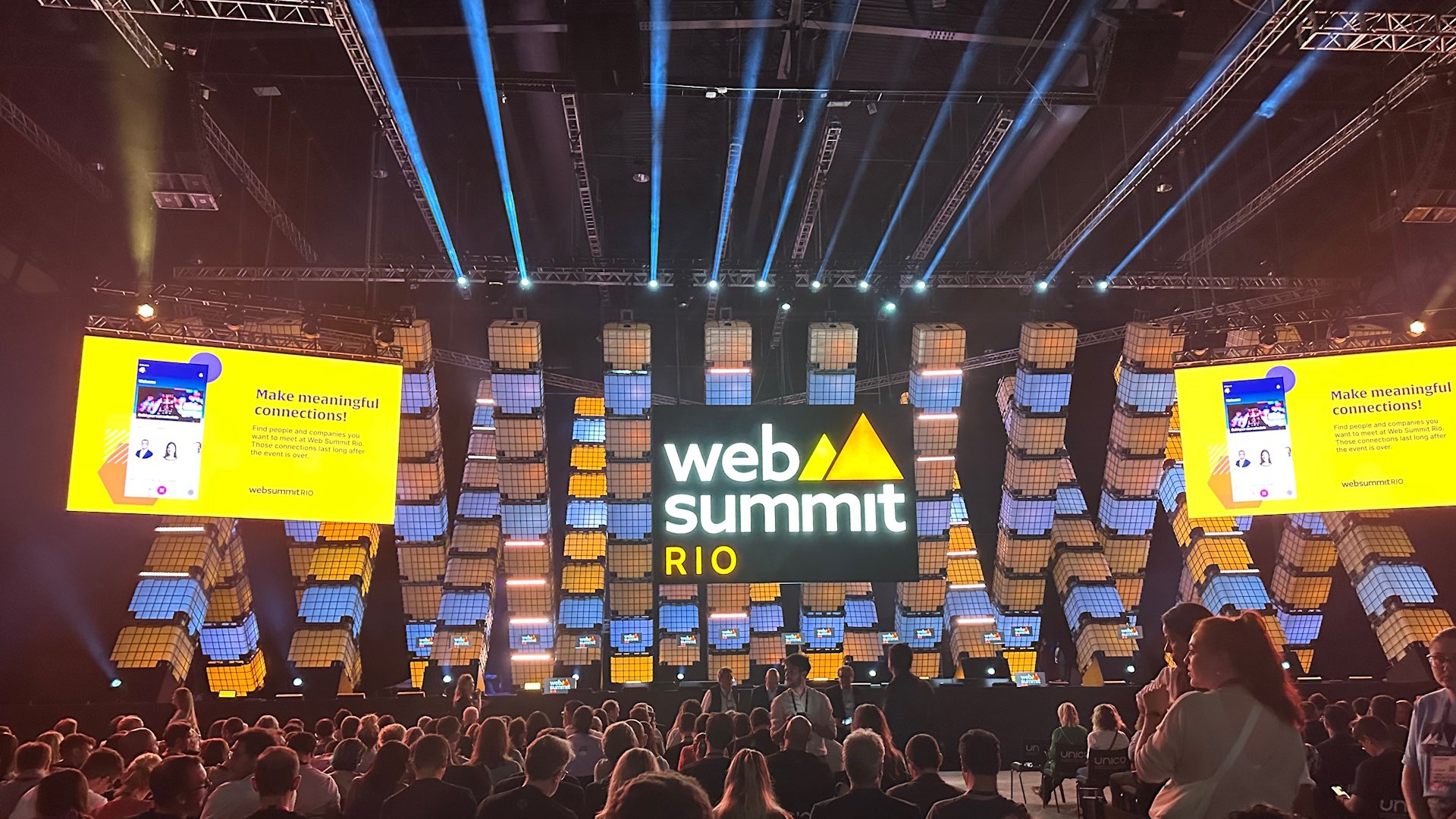
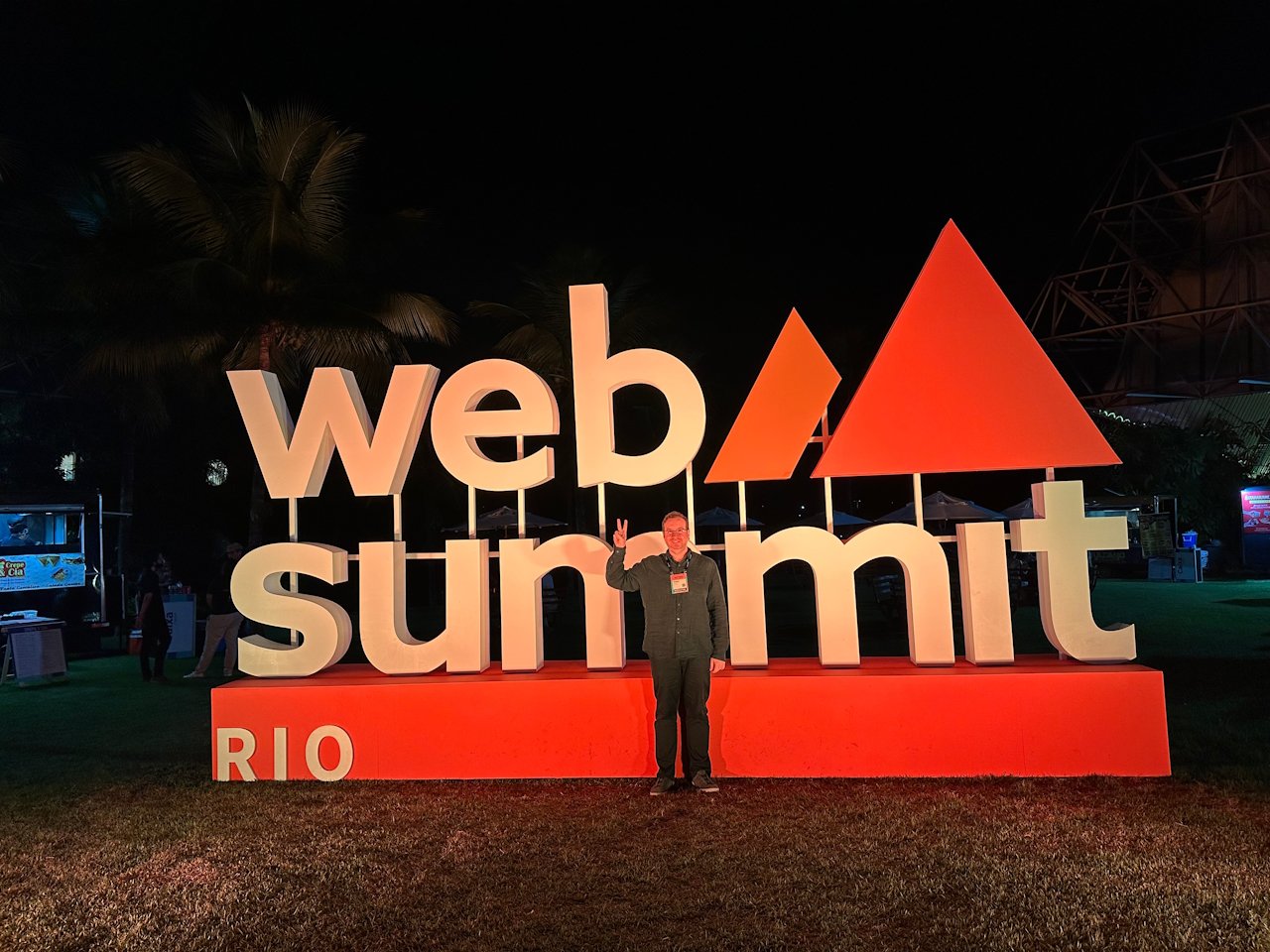
I spent a week at Web Summit Rio. At the time, everyone was asking if the "next big thing" hype around LATAM was finally over or just beginning to transform. What I saw wasn't a market in retreat, but one that is becoming much more pragmatic and focused on fundamentals.
1. Growth is limited by talent, not ideas The statistics shared at the summit are telling: tech startups reached 6% of Brazil’s GDP in 2022. The market has matured to a point where growth is no longer blocked by a lack of capital, but by a massive talent gap. As Ana Buchaim (CMO at B3) put it: if companies want to scale, they must first invest in training people. IT education here is no longer a trend; it is an economic necessity.
2. AI is a filter, not a replacement GitHub CEO Thomas Dohmke voiced a thought that has been on everyone’s mind: "one developer will soon do the work of ten." Many translate this to mean that juniors are no longer needed.
The reality is more specific: the role of a junior as just a "pair of hands" is what is disappearing. AI handles the superficial work, which only raises the stakes for fundamental knowledge. It is no longer enough to just learn a tool. To have a future-proof career, a developer must understand what they are building and why. AI is a speed boost for those who understand the core, but it is a replacement for those who do not.
3. A new language of solutions
I also spent time looking at regional startups like UpMat, desmoq, Kodus, and Ultima. It was important to see that these are not just copies of Silicon Valley models. These founders are responding to local constraints with their own logic.

Everything I saw in Rio points to the same conclusion: the Latin American tech scene is moving beyond the "copy-paste" phase. When talent becomes the main bottleneck and AI automates the basics, the only thing that matters is high-quality, fundamental expertise. This shift from volume to depth is exactly why the region is the right place for our long-term projects.