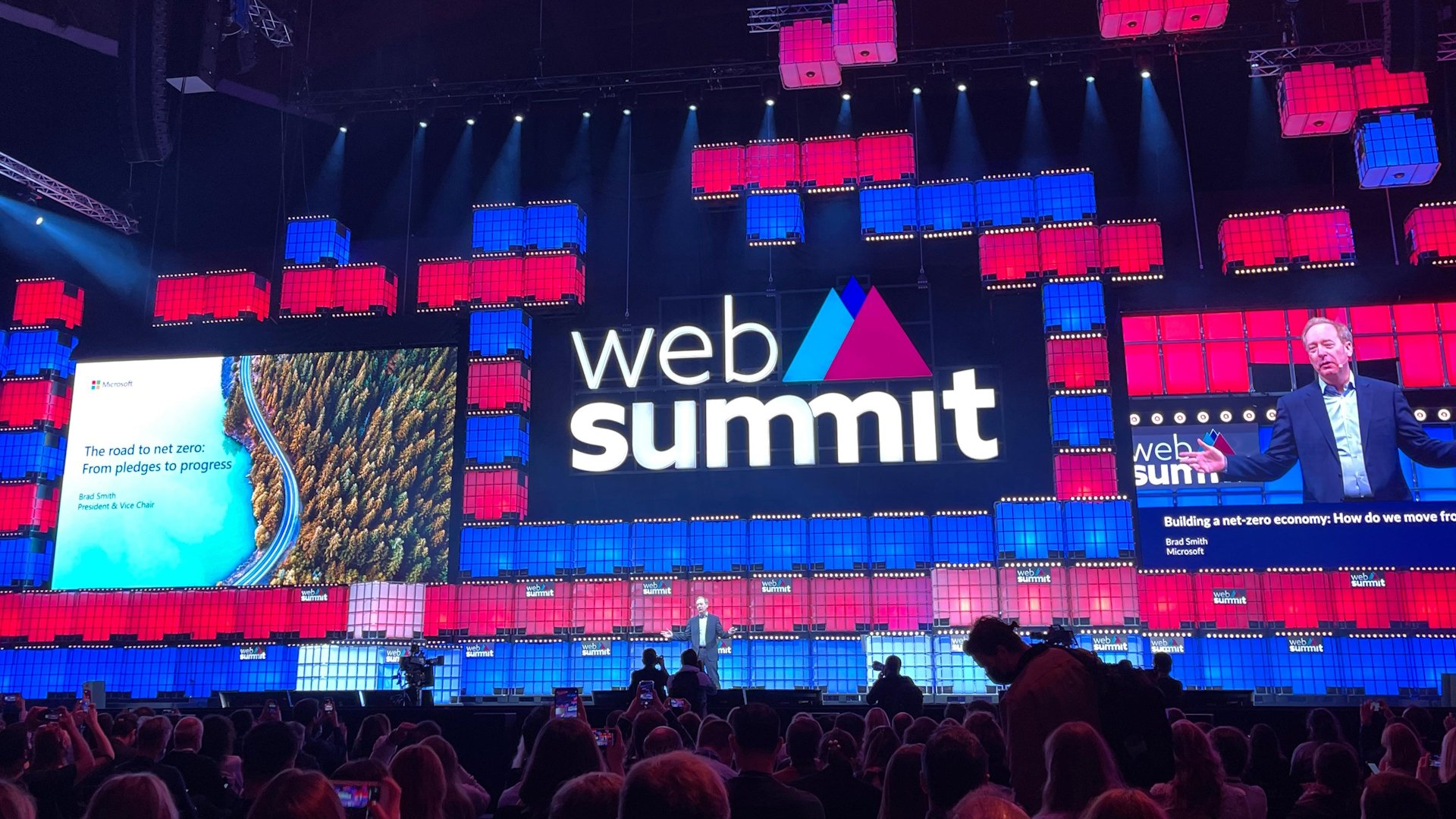
This year’s Web Summit felt like an unreal concentration of energy.
42,000 participants, thousands of startups and investors. But the point isn’t the numbers—it’s the feeling that the world has fully flashed a digital core into itself.
Over these days in Lisbon, I locked in several theses that are already reshaping the landscape of IT education and business as a whole:
1. Digital is the foundation, not “Plan B”
The pandemic accelerated digital healthcare by 10 years in just 18 months. Education went through the same tectonic shift. Online and hybrid formats are no longer a forced experiment. They’re now the industry standard.
2. Crisis-proof models don’t depend on physical presence
The summit confirmed it: the best protection against a crisis is a model that isn’t tied to physical presence. When lockdown hit, we built our own Virtual Classroom and the tech platform behind it. It didn’t just help us survive, it even led us to growth.
The key insight: you don’t copy an offline lesson into a video call. You design a toolset for effective live interaction, adapted to the format. By deeply rethinking online group-work mechanics, we managed to transfer the in-person experience online with almost no loss in quality.
3. Cross-cutting competencies
AI and data are the hottest topics at nearly every booth. They are penetrating every domain. That means these disciplines must become cross-cutting in modern education. We’ll be integrating them into every course at any country we run, because this is the foundation of the Future of Work that dominated so many summit tracks.
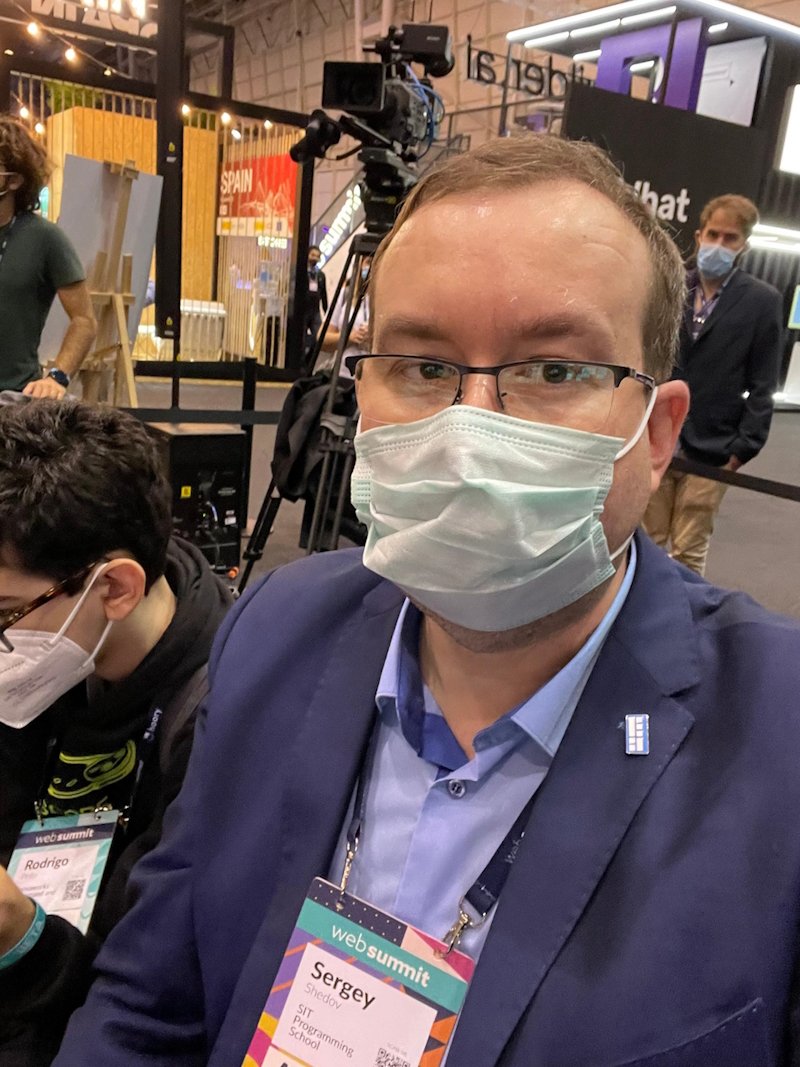
My main takeaway: stop thinking in terms of “online vs. offline.” The future belongs to a model of digital core + live activities as a force multiplier.
Back to work. The pace is set.